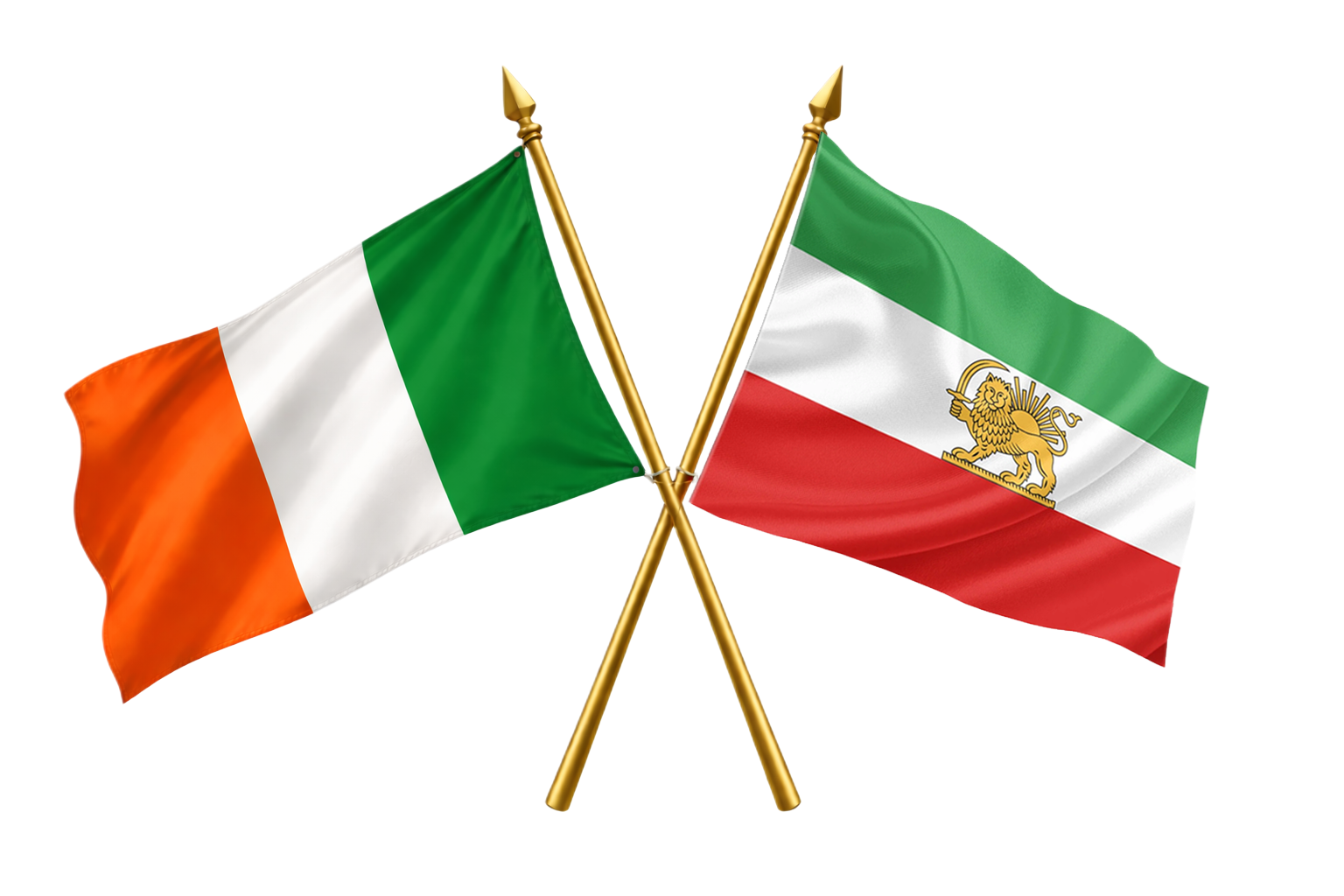
Ireland and Iran
Galway · Limerick · Dublin · Cork

Iranian Democratic Diaspora
Network in Ireland

A female-led, multi-ethnic, non-partisan network bridging the voices of the Iranian people with Irish and European policymakers — championing freedom, dignity, and democratic change.

1 Clear Democratic Demand
100% Non-Partisan & Inclusive
About Us

Who we are & what we do

We are the Iranian Democratic Diaspora Network in Ireland (IDDNI) — a multi-ethnic, non-partisan network of Iranians based primarily in Galway and Limerick, with members in Dublin and Cork. We bring together academics and professionals committed to supporting the Iranian people in their pursuit of a secular democratic future.

Our network reflects a broad range of political perspectives, lived experiences, and connections to Iran. We are female-led, with women forming the majority of our steering committee, and we place particular emphasis on civil liberties and women's rights.

"We are united by a shared objective: to ensure that the voices, realities, and democratic aspirations of people inside Iran are meaningfully represented in Ireland — in both policymaking and the media."

Context

Iran is facing a deep and ongoing human rights crisis under an authoritarian regime that represses its own people. Women face systematic discrimination described by activists as gender apartheid.

The current situation is particularly urgent. Following nationwide protests, reports indicate a large-scale crackdown, including the massacre of protesters on 8–9 January 2026, alongside ongoing detentions and escalating executions. Despite these conditions, Iranians have consistently expressed a clear collective demand for freedom, dignity, and a secular democratic system.

ما شبکه دیاسپورای دموکراتیک ایرانیان در ایرلند (IDDNI) هستیم — یک شبکه چندقومیتی، غیرحزبی و زن‌محور از ایرانیان مستقر در گالوی، لیمریک، دوبلین و کورک.

شبکه ما بازتاب‌دهنده طیف گسترده‌ای از دیدگاه‌ها، تجربه‌ها و پیشینه‌های موجود در میان ایرانیان خارج از کشور است. ما زن‌محور هستیم و بر آزادی‌های مدنی و حقوق زنان تاکید ویژه داریم.

«ما متحد هستیم در یک هدف مشترک: اطمینان از اینکه صداها، واقعیت‌های زیسته و خواسته‌های دموکراتیک مردم داخل ایران به شکلی معنادار در ایرلند بازتاب یابد.»

زمینه و بستر

ایران با یک بحران عمیق و مداوم حقوق بشر روبروست. زنان با «آپارتاید جنسیتی» مواجه‌اند. کشتار معترضان در ژانویه ۲۰۲۶ و اعدام‌های مداوم زندانیان سیاسی همچنان ادامه دارد.

🎯

Our Mission

Support the Iranian people in their pursuit of a secular democratic future through informed advocacy.

🌍

Policy Bridge

Connecting lived Iranian experiences to Irish and European policymakers with constructive recommendations.

📣

Amplify Voices

Ensuring the democratic aspirations of Iranians are heard in media, civil society, and public discourse.

⚖️

Human Rights

Grounded in human rights and dignity — opposing gender apartheid and all forms of repression.

Our Approach

Values that drive us

We are a non-partisan, values-driven network. Every action we take is rooted in these core principles.

Democracy

Championing a secular democratic future shaped by and for the Iranian people.

♀️

Women's Rights

A female-led network placing women's liberation and equality at the heart of our work.

🤝

Inclusion

Embracing Iran's full diversity of ethnicities, backgrounds, and political perspectives.

🔬

Evidence-Based

Careful, rigorous engagement — analysis grounded in facts and lived experience.

🕊️

Non-Partisanship

Independent of all political parties — united solely around democratic values.

🌐

Global Engagement

Building coalitions with Irish, European, and international actors aligned with our values.

Latest

News & Press

Press Coverage

29 May, 2026 — The Journal

Post-mortem to be carried out on Masuma Sohrabi in Clifden, Galway

The Journal reports on the case of Masuma Sohrabi in Clifden, Galway, with context on the Iranian community and recent events.

Read ↗
Event

28 May, 2026 — Leinster House, Dublin

Protest at Leinster House: Opposing Accreditation of Iranian Ambassador

On May 28, we gathered in front of Leinster House to oppose the Irish Government's decision to accredit the ambassador of the Islamic Republic of Iran. Thank you to everyone who joined, shared, or supported us. We urge Irish policymakers to engage with the Iranian diaspora and put human rights at the centre of any engagement with the Islamic Republic.

🔗 Permalink
Press Coverage

28 May, 2026 — Gript.ie

Diaspora group condemns accreditation of Iranian ambassador

Gript.ie covers IDDNI's condemnation of the Irish Government's decision to accredit the Iranian ambassador, highlighting the group's concerns about human rights and normalization with the regime.

Read ↗
Statement

25 May, 2026 — IDDNI

Back to Business as Usual Despite Iran’s Worsening Human Rights Crisis: IDDNI Condemns the Accreditation of the Ambassador of the Islamic Republic of Iran

IDDNI strongly condemns the Irish Government’s decision to proceed with the accreditation of the Ambassador of the Islamic Republic of Iran on 21 May 2026, at a time when executions, repression, and mass detention continue to escalate inside Iran.

IDDNI تصمیم دولت ایرلند برای پیش‌برد اعتبارنامه سفیر جمهوری اسلامی ایران در ۲۱ مه ۲۰۲۶ را در شرایطی که اعدام‌ها، سرکوب و بازداشت‌های گسترده در ایران همچنان ادامه دارد، به شدت محکوم می‌کند.

🔗 Permalink

The Iranian Democratic Diaspora Network in Ireland (IDDNI) strongly condemns the Irish Government’s decision to proceed with the accreditation of the Ambassador of the Islamic Republic of Iran on 21 May 2026.

Earlier this year, on 13 January 2026, the Department of Foreign Affairs postponed the same ceremony because of the “very significant number of Iranians killed or injured and a communications blackout” following the regime’s brutal crackdown on protests in Iran. At the time, many Iranians in Ireland welcomed this decision as a recognition that normal diplomatic symbolism could not continue amid mass repression.

The question now is: what has changed?

Since January, the human rights situation in Iran has not improved; it has deteriorated further. Executions continue at an alarming rate, including against political prisoners and protesters. Human rights organizations and international bodies, including Amnesty International, and the United Nations, have repeatedly warned about arbitrary executions, torture, and systematic repression in Iran.

During the nationwide uprising of 8 and 9 January 2026 alone, according to numerous reports, security forces killed tens of thousands of Iranians and arrested tens of thousands more. Across multiple uprisings in recent years, Iranians have repeatedly risked and lost their lives to make clear that they no longer want this regime.

At the same time, the Islamic Republic has continued to act as a destabilizing force internationally. In recent months, the regime and the Islamic Revolutionary Guard Corps have further expanded tensions and insecurity in the region, including around the Strait of Hormuz, threatening international maritime security and global stability. Given both the domestic repression and the regime’s broader regional conduct, it is difficult to understand why Western governments are once again moving toward appeasement and normalization.

Against this backdrop, the accreditation ceremony sends a deeply troubling symbolic message to Iranians both inside Iran and across the diaspora especially in Ireland. Diplomatic engagement may at times be presented as a necessity of international relations, but celebratory public symbolism is not.

IDDNI was particularly disturbed by the image of President Catherine Connolly smiling warmly alongside the representative of a regime responsible for severe and ongoing human rights abuses. At a moment when many Iranians are mourning executions, repression, and imprisonment of loved ones, such imagery was painful and unnecessary. This is especially contradictory given President Connolly’s strong and vocal public positioning on international human rights issues.

We are concerned that this reflects a broader international pattern. From renewed diplomatic engagement to discussions of political and economic deals, Western governments once again appear willing to normalize relations with a regime that lacks legitimacy among its own people. This same strategy of accommodation and appeasement has failed for decades.

IDDNI calls on Irish political representatives, civil society organizations, media, and the broader public to take a clear stance on human rights and democratic values in relation to Iran. In democratic countries, public opinion matters. If there is a moment for Irish allies to stand with the Iranian people, it is now.

We invite members of the public to join our peaceful protest outside the Dáil on Thursday at 2:00 p.m. We also encourage people to contact their elected representatives and express their opposition to the normalization of relations with a regime that continues to violently repress its own population.


About IDDNI

The Iranian Democratic Diaspora Network in Ireland (IDDNI) is a multi-ethnic, non-partisan, female-led network of Iranians based primarily in Galway and Limerick, with members in Dublin and Cork. https://iddni.com/

شبکه دیاسپورای دموکراتیک ایرانیان در ایرلند (IDDNI) تصمیم دولت ایرلند برای پیش‌برد مراسم اعتبارنامه سفیر جمهوری اسلامی ایران در ۲۱ مه ۲۰۲۶ را به شدت محکوم می‌کند.

در اوایل امسال، در ۱۳ ژانویه ۲۰۲۶، وزارت امور خارجه همین مراسم را به دلیل «تعداد بسیار زیاد ایرانیان کشته یا زخمی‌شده و قطع ارتباطات» به تعویق انداخت. در آن زمان بسیاری از ایرانیان مقیم ایرلند این تصمیم را به عنوان به رسمیت شناختن این واقعیت که نمادپردازی دیپلماتیک عادی نمی‌تواند در میان سرکوب گسترده ادامه یابد، استقبال کردند.

اکنون سؤال این است: چه چیزی تغییر کرده است؟

از ژانویه تاکنون، وضعیت حقوق بشر در ایران بهبود نیافته، بلکه بدتر شده است. اعدام‌ها با نرخ هشداردهنده‌ای ادامه دارند. سازمان‌های حقوق بشری و نهادهای بین‌المللی، از جمله عفو بین‌الملل و سازمان ملل، بارها نسبت به اعدام‌های خودسرانه، شکنجه و سرکوب سیستماتیک در ایران هشدار داده‌اند.

IDDNI از نمایندگان سیاسی، سازمان‌های جامعه مدنی، رسانه‌ها و مردم ایرلند می‌خواهد که موضع روشنی در قبال حقوق بشر و ارزش‌های دموکراتیک در رابطه با ایران اتخاذ کنند. اگر لحظه‌ای برای ایستادن در کنار مردم ایران وجود دارد، همین لحظه است.

از عموم مردم دعوت می‌کنیم تا در اعتراض مسالمت‌آمیز ما در خارج از مجلس ملی (Dáil) روز پنجشنبه ساعت ۱۴:۰۰ شرکت کنند.


درباره IDDNI

شبکه دیاسپورای دموکراتیک ایرانیان در ایرلند (IDDNI) یک شبکه چندقومیتی، غیرحزبی و زن‌محور از ایرانیان مقیم ایرلند است. https://iddni.com/

Press Coverage

13 May, 2026 — Dublin Inquirer

Gardaí press charges against a man for a poster on the gates of Iranian embassy

Morteza Najafi was charged for placing an anti-Khamenei poster on the Iranian embassy gates during a peaceful Blackrock protest. IDDNI co-founder Mahya Ostovar described the prosecution as part of the regime’s transnational effort to silence dissent abroad — while Gardaí ignored assaults on Iranian protesters elsewhere.

مرتضی نجفی به دلیل نصب پوستری ضد خامنه‌ای بر دروازه سفارت ایران در جریان یک اعتراض مسالمت‌آمیز تحت پیگرد قرار گرفت. مهیا اُستوار، هم‌بنیان‌گذار IDDNI، این اقدام را بخشی از تلاش فراملی رژیم برای خاموش کردن مخالفان دانست.

Read ↗
Press Coverage

18 April, 2026 — The Irish Examiner

Iranians in Ireland: ‘Iran has been there for 1,000 years. This will pass’

Spotlight feature on Iranians living in Ireland — including IDDNI founder Dr. Mahya Ostovar — sharing harrowing accounts of war, repression, and resilience amid ongoing conflict and internet blackouts in Iran.

گزارش ایریش اگزمینر از ایرانیان مقیم ایرلند، از جمله دکتر مهیا اُستوار، درباره جنگ، سرکوب و امید به آینده ایران.

Read ↗
Press Release

13 April, 2026 — IDDNI

Iran's People Are Being Erased from Their Own Future — Europe Cannot Stay Silent

As ceasefire talks and diplomatic negotiations involving Iran might continue behind closed doors, one fundamental truth remains: the Iranian people are absent from the table where their future is being decided. IDDNI warns that international diplomacy is once again repeating a familiar and dangerous pattern.

در حالی که مذاکرات آتش‌بس با ایران پشت درهای بسته ادامه دارد، مردم ایران از میزی که آینده‌شان در آن تعیین می‌شود غایب‌اند.

As ceasefire talks and diplomatic negotiations involving Iran might continue behind closed doors, one fundamental truth remains: the Iranian people are absent from the table where their future is being decided. This is not a technical oversight. It is a political failure with profound human consequences.

A newly formed Iranian diaspora network in Ireland — the Iranian Democratic Diaspora Network in Ireland (IDDNI), a female-led, non-partisan and multi-ethnic initiative based in Galway, Limerick, Dublin, and Cork — is warning that international diplomacy is once again repeating a familiar and dangerous pattern: engagement with power while excluding the people it governs.

For over four decades, Iranians have lived under a political system that severely restricts fundamental freedoms and suppresses any form of political opposition through intimidation, imprisonment, and execution. Women, in particular, face systematic discrimination and control over their bodies and lives — a reality described by activists and human rights organisations as gender apartheid. Ethnic and religious minorities are also subject to persistent discrimination and disproportionate repression. The scale of state violence is stark: Iran executed at least 1,639 people in 2025 — an average of more than four executions per day — according to a joint annual report by Norway-based Iran Human Rights and Paris-based Together Against the Death Penalty.

Through repeated cycles of protest, and especially in the most recent nationwide uprising, Iranians have risked their lives to demand freedom, dignity, and an end to the current regime. Each wave has been met with violent crackdowns, including mass arrests, executions, and lethal force against civilians.

The United Nations Fact Finding Mission has found that the Islamic Republic committed crimes against humanity during the 2022 Woman, Life, Freedom protests. Just three months ago, large-scale killings of protesters once again underscored the scale of state violence with tens of thousands of people killed, injured, or detained. Several human rights organisations, including Amnesty International, have described the January crackdown as a massacre of civilians, marking one of the most severe episodes of state violence against protesters in recent history. At the same time, repression continues to escalate. At least 14 political prisoners have been executed since the beginning of the war, and thousands more remain detained following recent protests and conflict.

Despite this, the points currently proposed in ceasefire discussions and negotiations make no meaningful reference to human rights, the protection of Iranian lives, or their democratic aspirations. Nor do current diplomatic frameworks include mechanisms to ensure that civilian protection or human rights are meaningfully embedded in the negotiation process.

This absence is not neutral — it is consequential. When international negotiations focus exclusively on state actors while excluding civil society, they risk reinforcing the very structures that produced instability in the first place. The result is not peace, but the managed containment of conflict at the expense of those living under repression. The network warns that many Iranians now fear being abandoned to a weakened but vengeful regime — one that may once again turn its violence inward.

European responses to the regime’s longstanding pattern of human rights violations have remained largely rhetorical — often limited to statements of concern and modest sanctions. This restraint has carried grave consequences. By prioritising geopolitical stability over accountability, Europe has effectively signalled that the regime can act with impunity.

Europe, including Ireland, cannot afford to treat Iran purely as a geopolitical file managed through security and energy concerns. It is also a human rights issue — one that directly concerns the legitimacy of any future settlement.

IDDNI is therefore calling on Irish and European policymakers to adopt a simple but essential principle: no sustainable diplomatic engagement with Iran can exclude the Iranian people themselves. This means embedding human rights monitoring, civil society consultation, and diaspora representation into any framework of engagement. It also means recognising that legitimacy in Iran is not defined solely by state power, but by a population that has repeatedly demonstrated its desire for democratic change — at immense personal cost.

Silence, in this context, is not neutrality. It is a political choice — one that determines whose voices count, and whose are erased. If Europe is serious about long-term stability in the region, it must begin by ensuring that the Iranian people are no longer invisible in the negotiations that shape their future.


About IDDNI

The Iranian Democratic Diaspora Network in Ireland (IDDNI) is a multi-ethnic, non-partisan, female-led network of Iranians based primarily in Galway and Limerick, with members in Dublin and Cork.

The network was established to fill a critical gap in meaningful, informed engagement on Iran in Ireland and across Europe, ensuring that the voices, lived experiences, and democratic aspirations of the Iranian people are reflected in policymaking, public discourse, and media coverage. IDDNI works to provide evidence-based insights and to support constructive engagement by Irish and European actors in line with the pursuit of a secular democratic future for Iran.

در حالی که مذاکرات آتش‌بس مربوط به ایران پشت درهای بسته ادامه دارد، یک حقیقت اساسی باقی می‌ماند: مردم ایران در میزی که آینده‌شان در آن تعیین می‌شود، حضور ندارند. این یک خطای فنی نیست؛ بلکه یک شکست سیاسی با پیامدهای عمیق انسانی است.

IDDNI هشدار می‌دهد که دیپلماسی بین‌المللی بار دیگر در حال تکرار الگویی آشنا و خطرناک است: تعامل با قدرت در حالی که مردمی که بر آنها حکومت می‌شود، کنار گذاشته می‌شوند.

بیش از چهار دهه است که ایرانیان تحت نظامی زندگی می‌کنند که آزادی‌های بنیادین را به شدت محدود می‌کند. زنان با «آپارتاید جنسیتی» مواجه‌اند. اقلیت‌های قومی و مذهبی نیز تحت تبعیض مستمر قرار دارند. ایران در سال ۲۰۲۵ حداقل ۱۶۳۹ نفر را اعدام کرد.

از آغاز جنگ دست‌کم ۱۴ زندانی سیاسی اعدام شده‌اند و هزاران نفر دیگر همچنان در بازداشت به سر می‌برند. پیشنهادهای فعلی آتش‌بس هیچ اشاره معناداری به حقوق بشر، حمایت از جان ایرانیان، یا آرمان‌های دموکراتیک آنها ندارد.

IDDNI از سیاستگذاران ایرلندی و اروپایی می‌خواهد اصلی ساده اما ضروری را بپذیرند: هیچ تعامل دیپلماتیک پایداری با ایران نمی‌تواند مردم ایران را نادیده بگیرد. سکوت یک انتخاب سیاسی است — انتخابی که تعیین می‌کند صدای چه کسانی شنیده می‌شود و صدای چه کسانی محو می‌گردد.


درباره IDDNI

شبکه دیاسپورای دموکراتیک ایرانیان در ایرلند (IDDNI) یک شبکه چندقومیتی، غیرحزبی و زن‌محور از ایرانیان مقیم ایرلند است که برای پر کردن شکاف موجود در تعامل آگاهانه و معنادار با موضوع ایران در ایرلند و اروپا تأسیس شده است.

CivicLens

CivicLens: Media Integrity

This section helps readers make sense of recent coverage of Iran by showing simple scores for trust, real-life perspective, and possible regime framing.

You can scan the latest reviewed articles here, watch the score bars fill in, and open the full dashboard for more detail.
Read more →
How It Works
4 Simple Scores
People's voices, grounded facts, regime framing, and trust
What You See
Latest Reviews
A quick look at recently checked articles
Why It Helps
Easier To Compare
The layout makes it easier to spot stronger and weaker coverage
Press & Media

Media & Public Engagement

IDDNI members regularly contribute expert analysis, commentary, and interviews across Irish, European, and international media.

🎙️
Galway Bay FM
Podcast — Galway Talks
May 2026
Iranian Human Rights Group: Irish Government Normalising Relations with Iranian Regime (from minute 40)
Podcast segment featuring IDDNI commentary on Ireland's diplomatic approach to Iran and the ongoing human rights situation, aired on Galway Talks. The discussion highlights concerns about the Irish government’s approach to normalisation with the Iranian regime. Listen from minute 40 for the IDDNI segment.
Listen ↗
📰
The Irish Independent
News Feature — Galway Edition
April 22, 2026
‘There is a gap in terms of grounded insights’ — New Iranian diaspora group looking to change the narrative in Ireland
Feature on IDDNI’s launch, profiling the female-led, multi-ethnic network of Iranian immigrants across Ireland. The piece examines how human rights concerns are being overshadowed by geopolitical interests, and IDDNI’s call for Ireland and the EU to place Iranian people — not just strategic calculations — at the centre of international decision-making.
Read ↗
🎧️
RTÉ Radio 1 — The Women’s Podcast
Podcast Episode — with Róisín Ingle
April 2026
Women of Iran — the less-heard voices from inside the conflict
Mahya Ostovar and Nasim Soleimanian join Róisín Ingle to discuss the lived experiences of ordinary Iranians — the people living among conflict and under the rule of the Islamic regime whose stories are rarely told. The conversation explores why diaspora voices matter, what IDDNI was built to do, and the human reality behind the geopolitical headlines.
Listen ↗
📰
The Irish Examiner
Spotlight Feature
April 18, 2026
Iranians in Ireland: ‘Iran has been there for 1,000 years. This will pass’
Spotlight feature on Iranians living in Ireland — including IDDNI founder Dr. Mahya Ostovar — sharing accounts of war, repression, and resilience. Despite bombed schools, media blackouts, and executions, the piece captures a defiant hope: that the Islamic regime is “at its weakest form now” and that Iran’s 1,000-year civilisation will endure.
Read ↗
🎙️
Galway Bay FM
Radio Interview — Galway Talks with John Morley
April 15, 2026
Launch interview introducing IDDNI
Introducing IDDNI and its mission to bring grounded insights from Iran into Irish public and policy discussions.
Listen ↗
📰
The Irish Examiner
Opinion Article
March 28, 2026
How anti-war narratives can marginalise Iranian voices
Opinion piece examining how anti-war narratives can marginalise Iranian voices and obscure the lived realities of those opposing the regime.
Read ↗
📺
RTÉ Six One News
Television Interview
March 10, 2026
The war in Iran — regional and humanitarian implications
Interview on Six One News discussing the war in Iran and its broader regional and humanitarian implications.
Watch ↗
🎙️
Galway Bay FM
Podcast — Galway Talks
May 2026
EPA warns Ireland will miss climate targets by half; Iranian human rights group accuses government of normalising relations with regime
Podcast segment featuring IDDNI commentary on Ireland's diplomatic approach to Iran and the ongoing human rights situation, aired on Galway Talks.
Listen ↗
📰
The Irish Examiner
News Feature
04 March, 2026
Iranian protests and state crackdown
Feature covering the Iranian protests and state crackdown, highlighting the demands of protesters and perspectives from the Iranian diaspora in Ireland.
Read ↗
🌍
EUobserver
Opinion Article
March 2, 2026
Iran’s regime collapse — what next?
Opinion piece arguing that Europe must move beyond passive anti-war rhetoric and actively support a democratic transition in Iran.
Read ↗
🎙️
RTÉ Radio 1
Radio Interview — Today with David McCullagh
March 2, 2026
Escalating tensions — regime violence and political context
Interview reacting to escalating tensions around Iran, discussing the regime’s violence and the broader political context following protests.
Listen ↗
📺
ABC News
Television Interview
January 14, 2026
Violent crackdown on protests — massacre and political demands
Interview discussing the Iranian regime’s violent crackdown on protests, highlighting the massacre of protesters and their demands for fundamental political change.
Watch ↗

Available for Expert Commentary

IDDNI members are available to provide expert insights, commentary, and analysis on issues related to the Iranian diaspora, democratic aspirations in Iran, and human rights. We bring academic rigour and lived experience to every media engagement.

اعضای IDDNI برای ارائه دیدگاه‌های کارشناسی، تفسیر و تحلیل در مورد موضوعات مربوط به دیاسپورای ایرانی آماده همکاری با رسانه‌ها هستند.

info@iddni.com
📡
Who We Are

Steering Committee

A collective of academics, professionals, and advocates — united by expertise, driven by purpose.

IDDNI is founded by Iranians in the diaspora in Ireland — people who left Iran carrying lived experience, professional skills, and an unshakeable commitment to democratic values and human rights. The steering committee is deliberately rooted in the everyday reality of Iranian life: it draws on direct connections to people on the ground inside Iran, to journalists and press contacts covering the region, to academic and policy communities, and above all to ordinary Iranians whose voices are too often absent from international conversations about their own future.

The committee operates as a non-hierarchical collective. No title or background determines whose voice carries weight — only the shared belief that Iran's people deserve freedom, dignity, and the right to shape their own future. Decisions are made collectively and transparently, in keeping with the democratic principles the network stands for.

IDDNI توسط ایرانیان مقیم ایرلند تأسیس شده است — کسانی که ایران را با تجربه زیسته، مهارت‌های حرفه‌ای و تعهدی راسخ به ارزش‌های دموکراتیک و حقوق بشر ترک کردند. کمیته راهبری عمداً در واقعیت روزمره زندگی ایرانی ریشه دارد: از ارتباط مستقیم با مردم در داخل ایران، با روزنامه‌نگاران و رسانه‌ها، با جوامع دانشگاهی و سیاستگذاری، و مهم‌تر از همه با ایرانیان عادی‌ای که صدایشان اغلب از گفتگوهای بین‌المللی درباره آینده‌شان غایب است.

این کمیته به شکل غیرسلسله‌مراتبی عمل می‌کند. هیچ عنوان یا پیشینه‌ای تعیین نمی‌کند که صدای چه کسی اهمیت دارد — تنها اعتقاد مشترک به این که مردم ایران شایسته آزادی، کرامت و حق تعیین آینده خود هستند. تصمیم‌ها به صورت جمعی و شفاف گرفته می‌شوند.

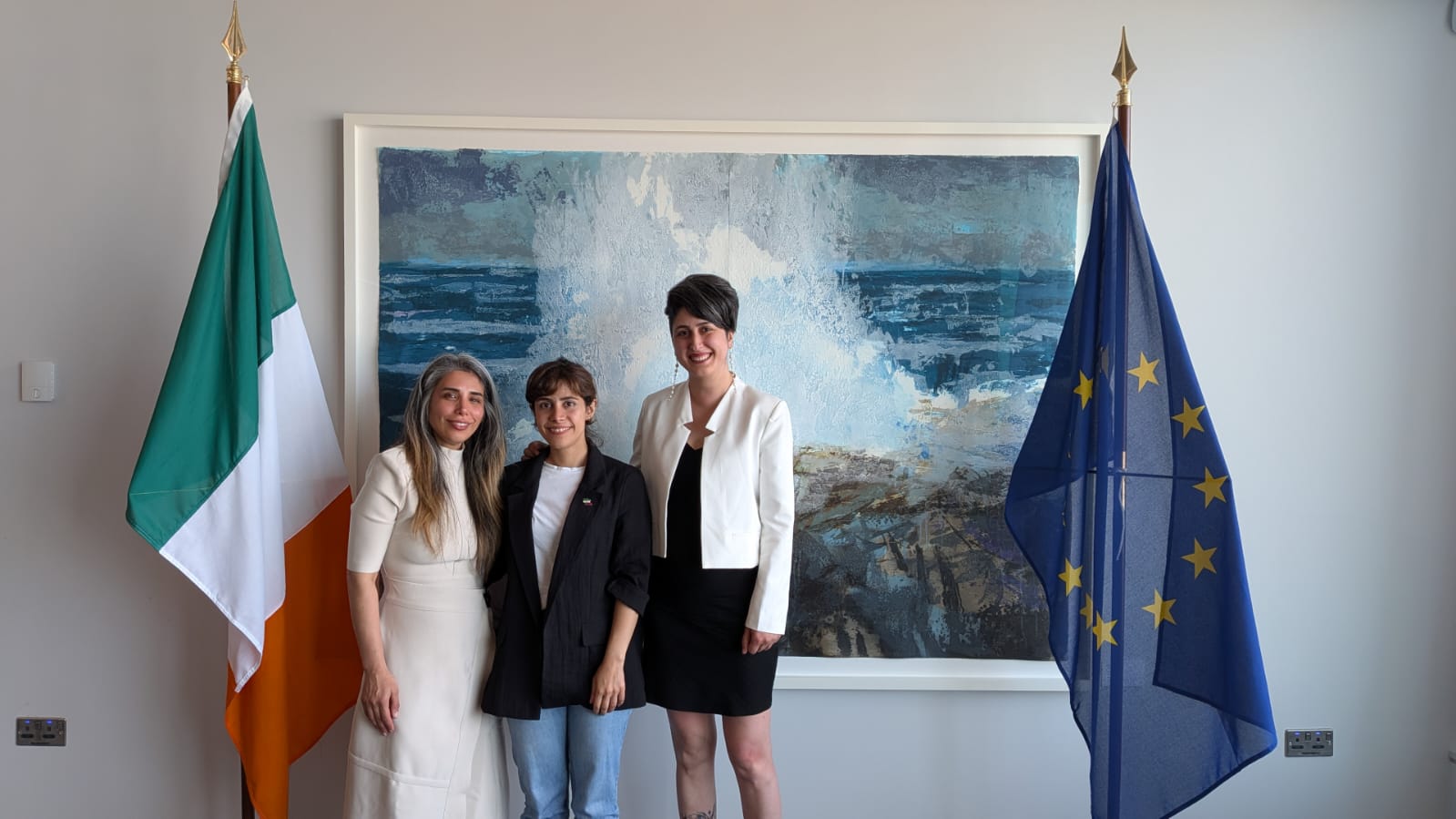
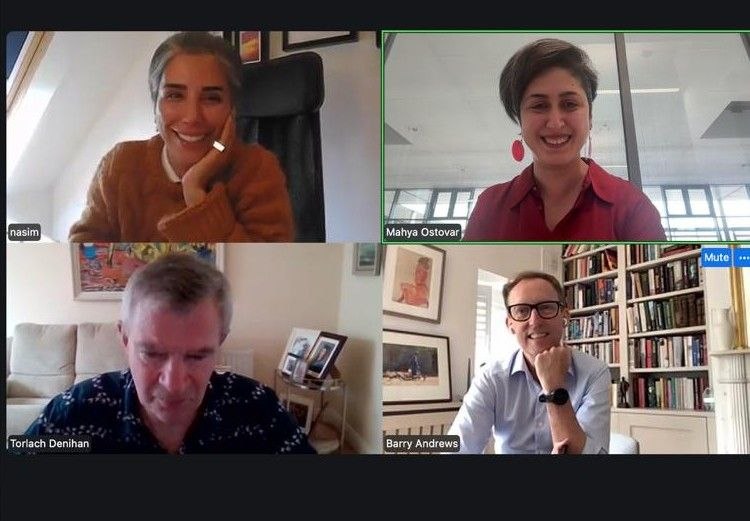
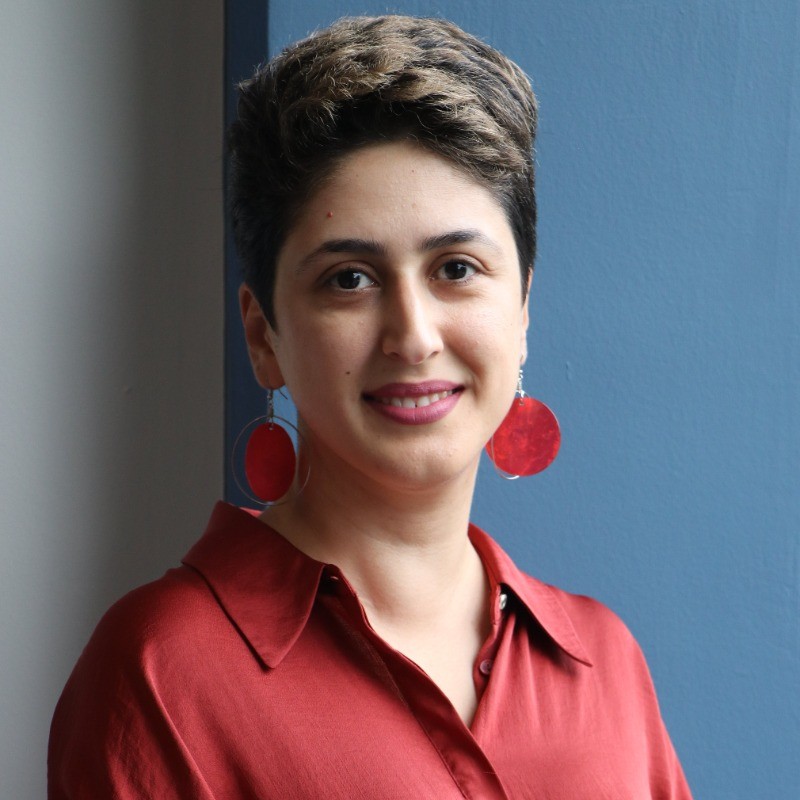
Dr. Mahya Ostovar
Dr. Mahya Ostovar
Founder & Director of Strategy
بنیان‌گذار و مدیر راهبردی

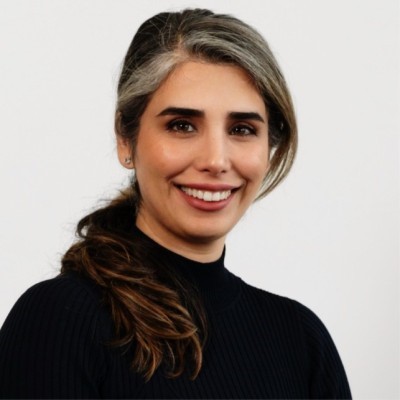
Dr Mahya Ostovar is an Assistant Professor at the University of Galway and an Iranian women’s rights activist. Her research focuses on social movements and digital activism, with particular attention to resistance against compulsory hijab in Iran. She is a leading member of the Irish End Gender Apartheid Campaign and was a member of the Afghan and Iranian Women’s Coalition, supported by the George W. Bush Institute and IRI’s Women’s Democracy Network.

دکتر مهیا استوار استادیار دانشگاه گالوی و فعال حقوق زنان ایرانی است. پژوهش او بر جنبش‌های اجتماعی و فعالیت دیجیتال با تأکید ویژه بر مقاومت در برابر حجاب اجباری در ایران متمرکز است. او عضو اصلی کمپین پایان آپارتاید جنسیتی ایرلند است و عضو ائتلاف زنان افغان و ایرانی با حمایت انستیتوی جورج دبلیو بوش و شبکه دموکراسی زنان IRI بوده است.
Dr. Nasim Soleimanian
Co-founder & Operations Director
هم‌بنیان‌گذار و مدیر اجرایی

Nasim is an Iranian woman in exile, a global commercial leader, and an advocate dedicated to transforming deep-tech innovation into real-world climate impact. She champions secular democracy, protects diaspora communities, and builds ethical, future-focused coalitions.

نسیم یک زن ایرانی در تبعید، رهبر تجاری جهانی و مدافعی است که به تبدیل نوآوری فناوری عمیق به تأثیر واقعی بر آب‌وهوا اختصاص یافته است. او مدافع دموکراسی سکولار است، از جوامع دیاسپورا محافظت می‌کند و ائتلاف‌های اخلاقی و آینده‌نگر می‌سازد.

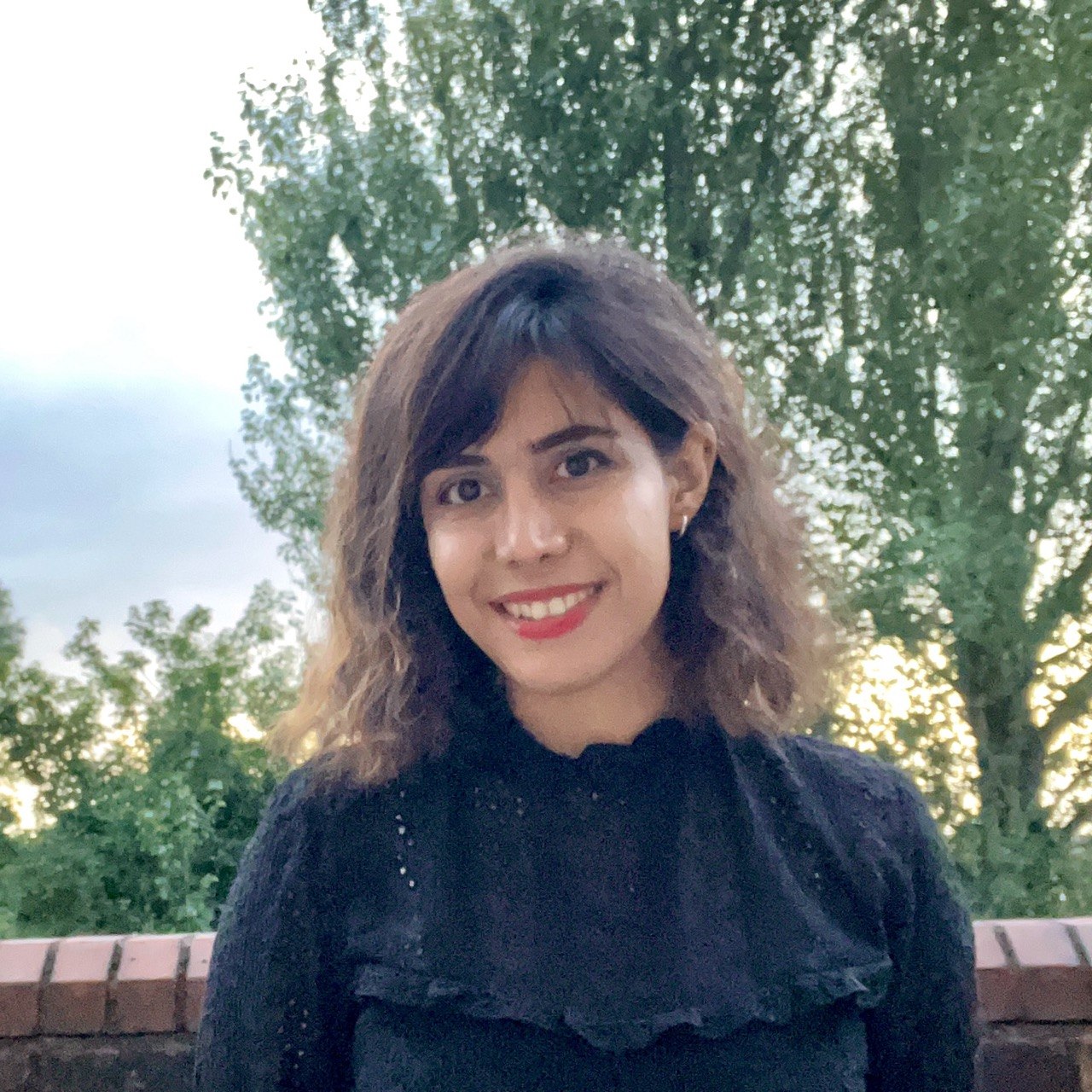
Parand Shokrani
Parand Shokrani
Communications Director
سرپرست ارتباطات

Parand is a PhD student in biomedical engineering at the University of Galway. She left Iran three years ago in search of freedom. Today, she uses her voice to speak out for her people in Iran, especially women who have endured decades of injustice — because every woman deserves the right to live freely, choose her own path, and be heard without fear.

پرند دانشجوی دکتری مهندسی پزشکی در دانشگاه گالوی است. او سه سال پیش در جستجوی آزادی ایران را ترک کرد. امروز از صدای خود برای دفاع از مردم ایران، به ویژه زنانی که دهه‌ها بی‌عدالتی را تحمل کرده‌اند، استفاده می‌کند — چون هر زنی حق دارد آزادانه زندگی کند، مسیر خود را انتخاب کند و بدون ترس شنیده شود.

How we work
چگونه کار می‌کنیم
🏫

Founding & Vision

IDDNI was founded by Iranians who brought with them the memory of life under the regime and the determination to act. The founding vision is one of inclusion: this network belongs to all Iranians — regardless of class, profession, or background — who believe in a free and democratic Iran. Every perspective matters here: the student, the worker, the parent, the professional, the activist. Knowledge and lived experience are equal contributions — it is the collective voice of ordinary Iranian people that gives this work its meaning and its urgency.

IDDNI توسط ایرانیانی تأسیس شد که خاطره زندگی زیر رژیم و عزم برای عمل را با خود آوردند. چشم‌انداز بنیانگذاری بر فراگیری استوار است: این شبکه متعلق به همه ایرانیان است — فارغ از طبقه، حرفه یا پیشینه — که به ایرانی آزاد و دموکراتیک اعتقاد دارند.

🌐

Network Coordination & Outreach

The committee includes experienced global professionals who manage the day-to-day coordination of the network, build strategic partnerships, and represent IDDNI in engagements with civil society, policymakers, and international organisations. They bring a track record in building ethical, future-focused coalitions across borders.

کمیته شامل متخصصان بین‌المللی باتجربه‌ای است که هماهنگی روزانه شبکه را مدیریت می‌کنند و مشارکت‌های استراتژیک با جامعه مدنی، سیاستگذاران و سازمان‌های بین‌المللی را توسعه می‌دهند.

💻

Technology & Digital Infrastructure

The network maintains a secure, accessible, and effective digital presence built and managed collectively by the committee. Technology at IDDNI is not a back-office function — it is the means by which voices from inside Iran and across the diaspora are amplified, connected, and protected. The committee ensures that no technical barrier stands between ordinary Iranians and the network that represents them.

شبکه یک حضور دیجیتال امن، در دسترس و مؤثر دارد که توسط کمیته به صورت جمعی ساخته و مدیریت می‌شود. فناوری در IDDNI یک عملکرد پشتیبان نیست — ابزاری است که صداهای داخل ایران و در سراسر دیاسپورا را تقویت، متصل و محافظت می‌کند.

📣

Media Engagement & Content Creation

IDDNI’s voice in public discourse is shaped by committee members with direct experience of living under and leaving the Iranian regime. Their personal knowledge, combined with professional communication skills, drives the network’s storytelling — ensuring that Iranian perspectives are heard with authenticity, impact, and dignity across media and public platforms.

صدای IDDNI در گفتمان عمومی توسط اعضای کمیته‌ای شکل می‌گیرد که تجربه مستقیم زندگی زیر رژیم ایران را دارند. این دانش شخصی روایت‌سرایی شبکه را هدایت می‌کند.

Get Involved

Join the Network

If you are an Iranian living in Ireland who shares our values of democracy, human rights, and inclusivity — we want to hear from you. Your voice and experience are exactly what this network is built on.

Reach Out
🗣️

Make Your Voice Heard

Represent Iranian perspectives directly in Irish and European policy discussions.

🤝

Build Solidarity

Connect with a growing community of Iranians and allies across Ireland committed to change.

📢

Amplify Iran's Story

Help shape media narratives and public understanding of the Iranian people's democratic struggle.

🌱

Open to All Iranians

We welcome all Iranians regardless of political background — united only by shared democratic values.

Reach Us

Get in Touch

Whether you're a policymaker, journalist, researcher, or community member — we want to hear from you.